
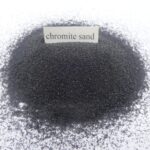
Chromite sand chemcial and physical data, component content?
Chromite sand chemcial and physical data, component content? Its main component content Cr2O2 is more than 46%, with high thermal conductivity, resistance to alkaline slag and solid phase sintering characteristics, which can prevent sand from sticking to castings. It is widely used in large steel castings, coating aggregates and chilling material replacement.
What are the uses for chromite sand?
What are the uses for chromite sand?Chromite sand has a wide range of uses in industrial production, especially in casting, alloy manufacturing, ceramics, glass, chemicals and refractory materials.
Why chromite sand 325mesh can be used as beer bottle coloring agent?
Why chromite sand 325mesh can be used as beer bottle coloring agent?The main reasons why chromite powder 325mesh# can be used as a colorant for beer bottles include its stable chemical composition, its ability to add rich colors to glass, and its good long-term stability, which can resist the penetration of ultraviolet rays and extend the shelf life of the product. The chromium element in chromite powder reacts with other components in glass at high temperatures to form a specific color.
Why Chromite powder 325mesh# can be used as colorant for beer bottles?
Why Chromite powder 325mesh# can be used as colorant for beer bottles? The main reasons include its stable chemical composition, its ability to add rich colors to glass, and its good long-term stability, which can resist the penetration of ultraviolet rays and extend the shelf life of the product. The chromium element in chromite powder reacts with other components in glass at high temperatures to form a specific color.
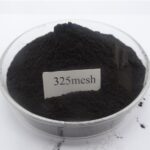
Chromite sand 325#mesh can be used lost foam coating?
Chromite sand 325#mesh can be used lots foam coating? yes, Chromite powder is often used in casting coatings.
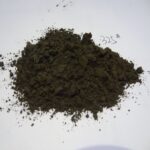
What is the black powder in the lost foam coating?chromite powder 325#mesh?
The black powder in the lost foam coating is chromite powder. The size maybe 325#. It is often used in casting coatings. The reasons are: Precise fineness, Low moisture content, High refractory temperature, Excellent thermal conductivity, Good chemical stability