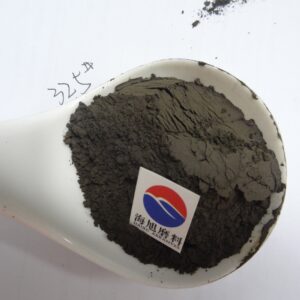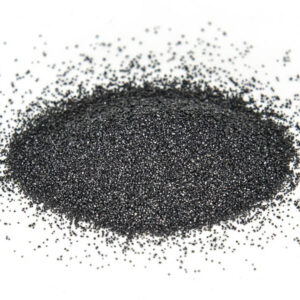
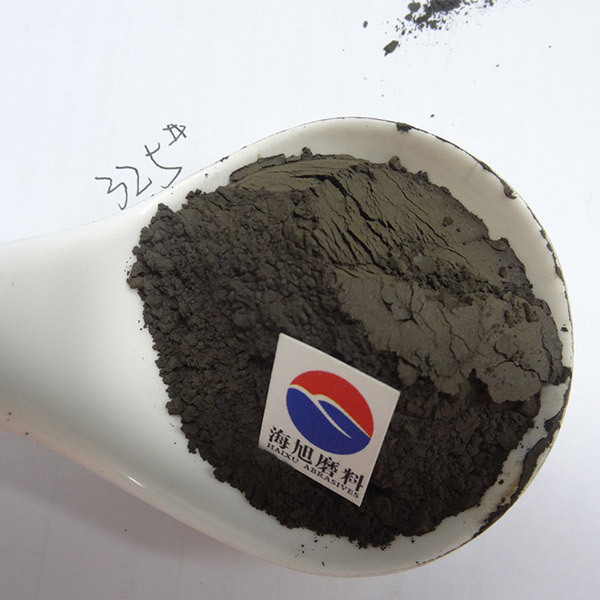
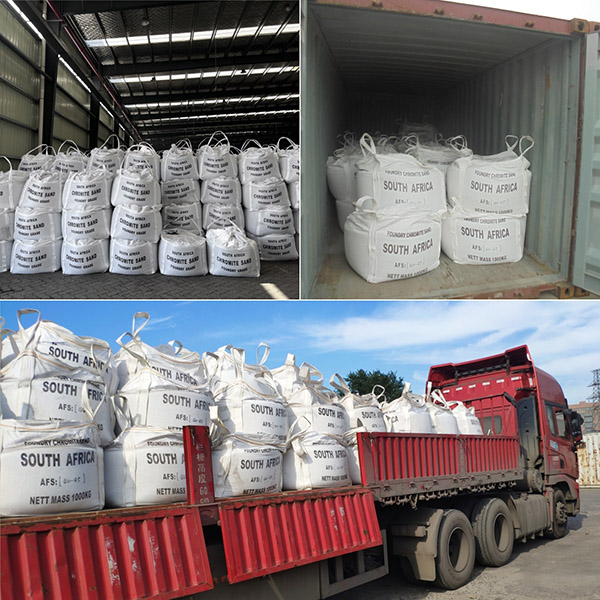
Chromite Flour 325mesh Used For Glass Tubes
About chromite flour 325mesh, we can product 90% pass rate, we can also product 100% pass rate. And we can pruduct by you need.
Why add chromite flour in glass tubes?
Coloring function: The chromium trioxide (Cr₂O₃) in the chromite flour reacts with the glass matrix under high-temperature melting to form a stable green compound, which is often used in container glass that requires UV resistance such as beer bottles and medicine bottles.
Particle size adaptability: 325#mesh (particle size approximately ≤45 μm) is the basic process standard particle size for glass coloring. It not only ensures rapid dissolution and dispersion in molten glass, avoids streaks or spots, but also avoids flying losses or excessive costs due to excessive fineness (such as 1000 mesh or more).
Process Stability: Particles of this mesh size are stable in volume at high temperatures and are not easy to crystallize. They can ensure uniform color of the glass tube without affecting the physical properties of the tube (such as light transmittance, chemical resistance).
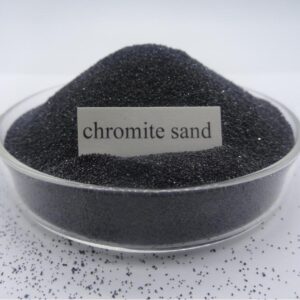
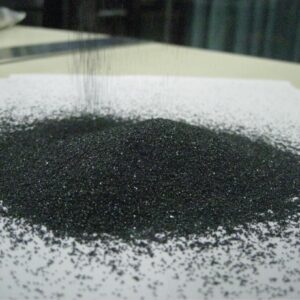
Description for chromite sand/flour:
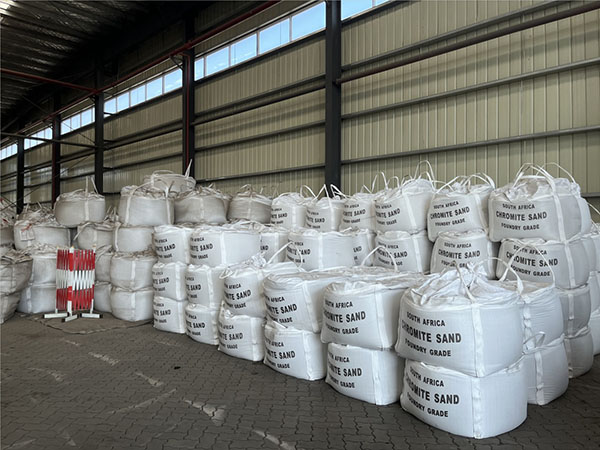
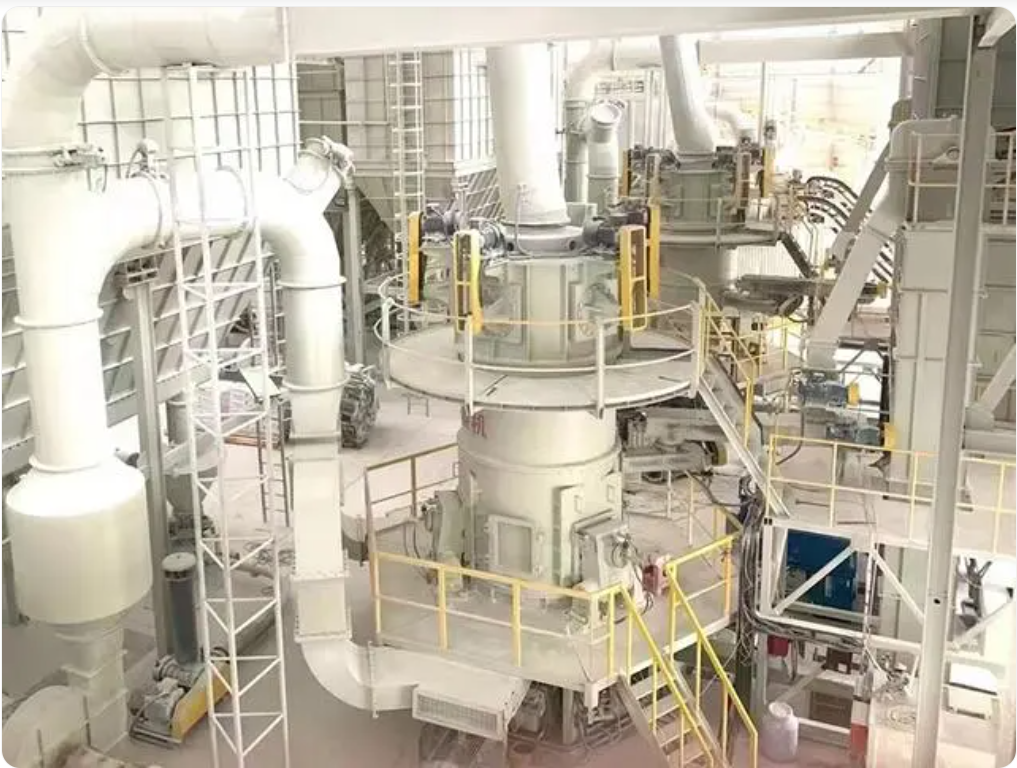
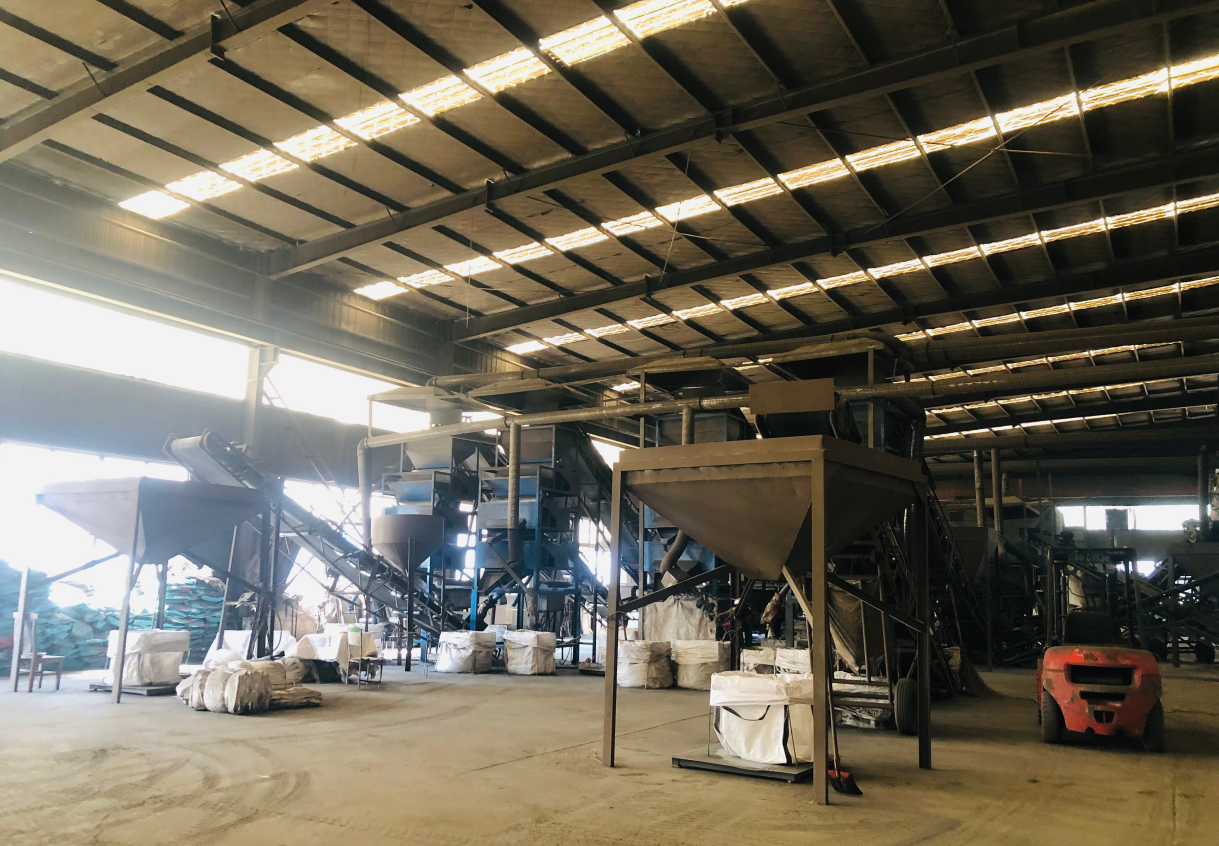
The raw material is imported from South African, then through crushing, screening, grinding and other procedures. Its main chemical component is Cr2O3, and the Cr2O3 content of the products we provide is generally greater than or equal to 46%.
Available Size :
- 0-1mm
- 1-3mm
- 3-5mm
- AFS25-30
- AFS30-35
- AFS35-40
- AFS40-45
- AFS45-50
- AFS50-55
- AFS45-55
- AFS65
- 325#mesh
- 200#mesh
- 400mesh#
- We can make size you need
Chromite flour 325mesh:
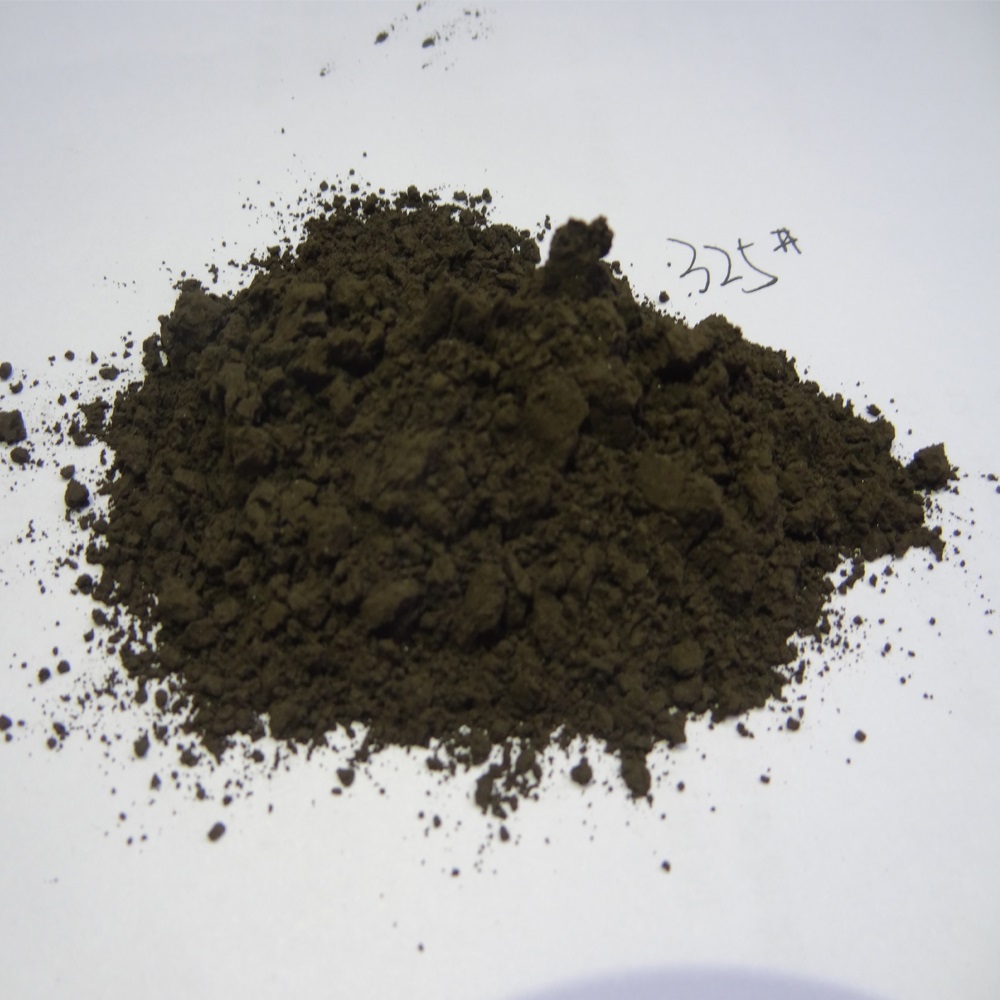
Typical Chemical Analysis:
| Cr2O3 | ≥46.0% |
| SiO2 | ≤1.0% |
| FeO | ≤26.5% |
| CaO | ≤0.30% |
| MgO | ≤10.0% |
| Al2O3 | ≤15.5% |
| P | ≤0.003% |
| S | ≤0.003% |
| Cr/Fe | 1.55:1 |
Typical Physical Properties:
| Bulk Density | 2.5-3g/cm³ |
| Volume Density | 4.0-4.8g/cm3 |
| Color | Black |
| PH Value | 7-9 |
| Sintering Temperature | >1,800°C |
| Melting Point | 2,180°C |